QuizQuestions.Org
Guides
Categories
31 Interesting Facts About the UK (Pub Quiz Gold)

31 Interesting Facts About the UK (Pub Quiz Gold)

The UK gave the world the pub quiz, so it feels only right to collect the best UK facts in one place. Here are 31 verified facts about British history, royals, geography, food, and wonderfully weird laws.

By Salim Dın
July 18, 2026
10 min read
2 views
factslistuk

The United Kingdom is the homeland of the pub quiz. This is the country where two people named Sharon Burns and Tom Porter turned a slow Tuesday night at the pub into a national institution. So when I sat down to write about interesting UK facts, I felt a certain responsibility to get them right.

Every fact in this article is verified against official sources: the Royal Family's website, UK Parliament, the Office for National Statistics, museums, and encyclopedias. You will find the full list of sources at the bottom. No half-remembered trivia here.

I organized the facts into themed sections: history, royals, geography, culture and food, and quirky laws. Each one of them can be turned into a quiz question, and I encourage you to do exactly that. Let's start with the fact that trips up more quizzers than any other.

The UK, Great Britain, and England are not the same thing

This is my favorite opening fact because it is the source of endless pub quiz arguments. People use these three names interchangeably, and they really shouldn't:

  • England is one country. It shares the island of Great Britain with Scotland and Wales.
  • Great Britain is the island (and a political term for England, Scotland, and Wales together). It does not include Northern Ireland.
  • The United Kingdom is the sovereign state: England, Scotland, Wales, and Northern Ireland. Its full name is the United Kingdom of Great Britain and Northern Ireland.

So a Scottish person is British but not English, and someone from Belfast is from the UK but not from Great Britain. According to the Office for National Statistics, the whole thing is home to about 68.3 million people (mid-2023 estimate). Now that we have the boundaries sorted, on to the facts.

History facts that sound made up (but aren't)
Salim Dın

Salim Dın

Salim has experience in content marketing, growth marketing, and building viral quizzes. Salim founded Quiz Questions Org (QQO, in short) in 2025. Ever curious, he loves researching different topics and areas to turn them into quizzes. Salim has a lifelong passion for cycling and traveling.

Related Guides
The 9 Best Quiz Makers in 2026 (Tested and Ranked)

The 9 Best Quiz Makers in 2026 (Tested and Ranked)

I tested nine popular quiz makers, from Blooket and Kahoot to Google Forms, and ranked them by what you actually get for free in 2026. Here is which one to pick for your classroom, pub quiz, or meeting.

10 min read
31 Interesting Facts About the UK (Pub Quiz Gold)

31 Interesting Facts About the UK (Pub Quiz Gold)

The UK gave the world the pub quiz, so it feels only right to collect the best UK facts in one place. Here are 31 verified facts about British history, royals, geography, food, and wonderfully weird laws.
10 min read
QuizQuestions.org logo

The world's largest community-driven quiz platform. Discover, learn, and contribute to our growing collection of educational questions.

Made withby the QuizQuestions.org team

Explore

  • Home
  • Guides
  • Categories
  • Question Generator
  • Statistics
  • Submit a Question

Org

  • About Us
  • Contact
  • Terms & Conditions
  • Privacy Policy
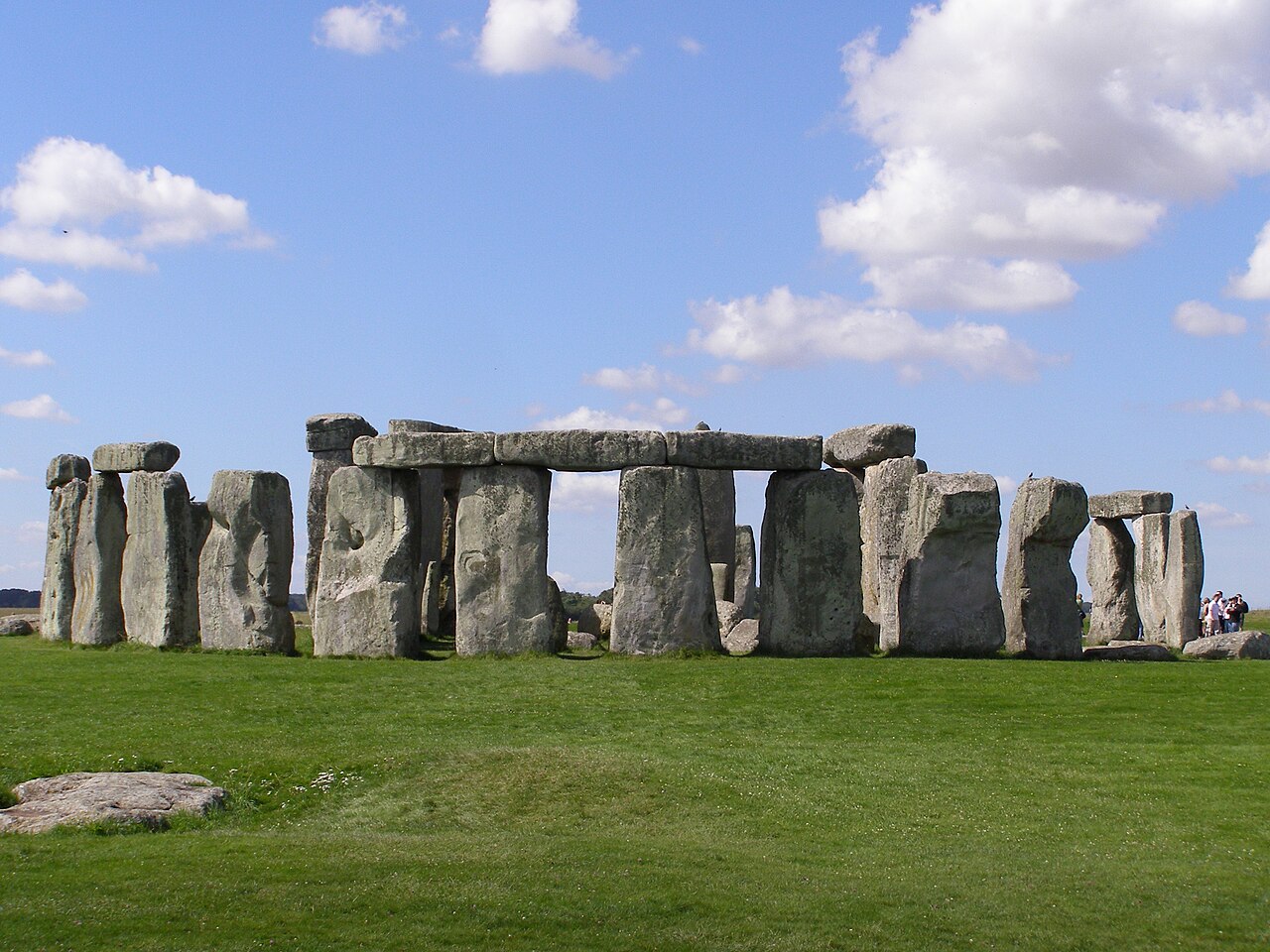
Stonehenge in Wiltshire, England. Photo: garethwiscombe, Wikimedia Commons, CC BY 2.0
  • The UK fought the shortest war in history: the Anglo-Zanzibar War of 1896 lasted somewhere between 38 and 45 minutes. Britain issued an ultimatum to the new Sultan of Zanzibar, he refused, and the whole conflict was over before breakfast ended.
  • Stonehenge is older than the Great Pyramid of Giza: the earliest circular earthwork at Stonehenge dates to around 3000 BC, several centuries before the Great Pyramid (built around 2560 BC). The iconic giant sarsen stones went up around 2500 BC.
  • London opened the world's first underground railway: the Metropolitan Railway started running on January 10, 1863, with gas-lit wooden carriages pulled by steam locomotives. Despite the sulphurous fumes, it carried 9.5 million passengers in its first year.
  • The UK has no written constitution: it is one of the very few countries in the world without a single codified constitutional document. The system runs on centuries of statutes, conventions, and legal precedents instead.
  • The BBC is the world's oldest national broadcaster: it was founded in October 1922 and made its first daily broadcasts that November. The very first news reader read the bulletin twice, once fast and once slowly, and asked listeners which speed they preferred.
  • The world's first postage stamp is British: the Penny Black, issued on May 1, 1840, featured a profile of 21-year-old Queen Victoria. Over 68 million were printed.
  • Windsor Castle is the oldest and largest occupied castle in the world: founded by William the Conqueror in the 11th century, it has been home to 40 monarchs and gave the current royal family its surname.
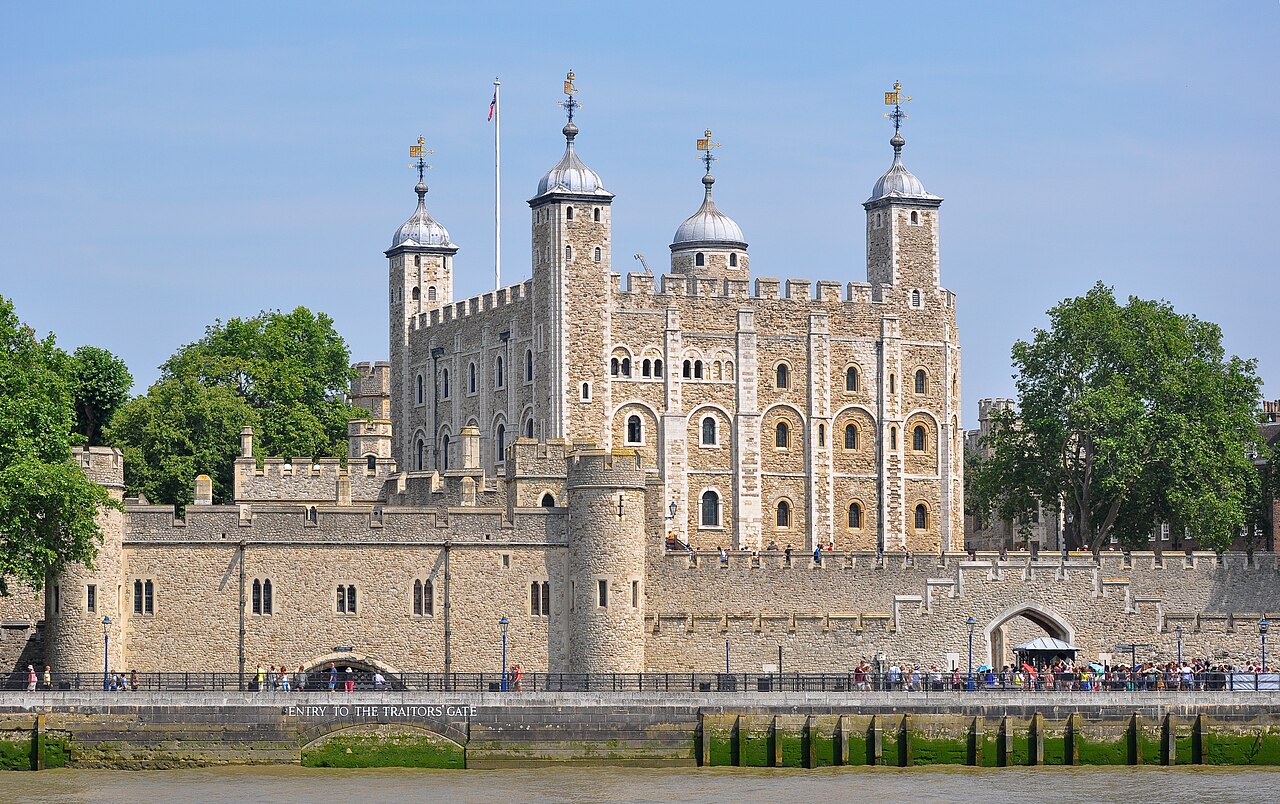
The Tower of London seen from the River Thames. Photo: Bob Collowan, Wikimedia Commons, CC BY-SA 3.0

One more for this section, because I couldn't leave it out. The Tower of London housed a royal zoo for over 600 years. Kings kept lions, an elephant, baboons, and, most famously, a white bear (presumed to be a polar bear) that Henry III received from the King of Norway in 1252. The bear was taken to the Thames on a chain to swim and catch fish, and Londoners gathered on the banks to watch. Try getting that image out of your head.

Royal facts and traditions

The British monarchy is a quiz category all by itself. Some of these traditions are centuries old, and some of them are far stranger than fiction.

  • The monarch has two birthdays: a real one and an official one, celebrated in June with the Trooping the Colour parade. The tradition goes back to George II, whose actual birthday fell in gloomy November, hardly parade weather in Britain.
  • The King doesn't need a passport or a driving licence: both documents are issued in the monarch's name, so the monarch personally doesn't require either. This perk applies only to the sovereign; every other royal needs their paperwork.
  • The Crown owns the swans: the monarch holds the right to claim all unmarked mute swans in open water in England and Wales. Every July, the historic Swan Upping census counts and checks the swans on the Thames, a tradition dating back to the 12th century.
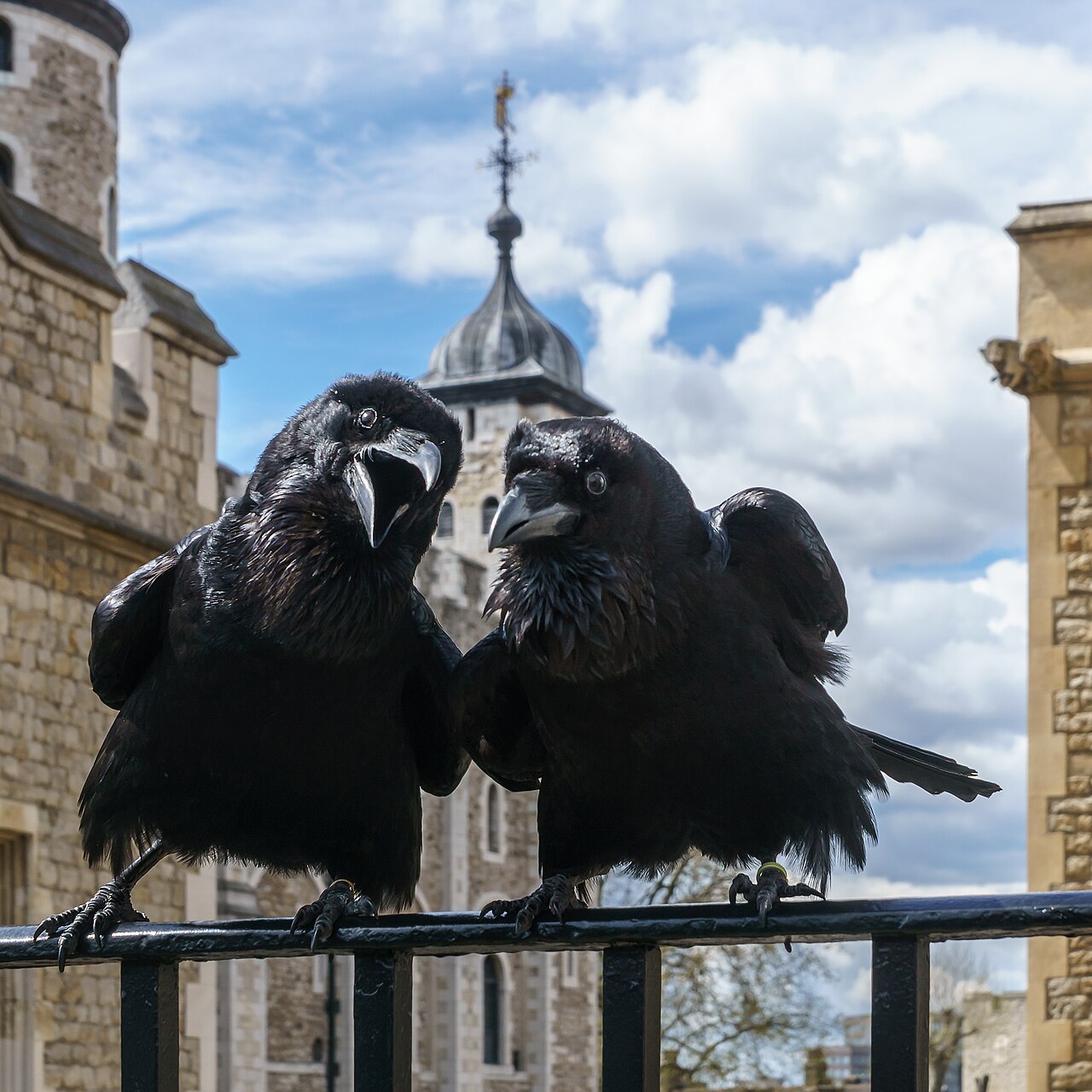
  • Six ravens guard the Tower of London: legend says that if the ravens ever leave, the Tower and the kingdom will fall. A dedicated Ravenmaster looks after them to this day, and yes, that is a real job title.
  • Queen Elizabeth II reigned for 70 years and 214 days: the longest reign of any British monarch and the longest of any queen in world history. She passed her great-great-grandmother Victoria's record in September 2015.
  • Buckingham Palace has 775 rooms: including 19 state rooms, 52 royal and guest bedrooms, and 78 bathrooms. That is a lot of plumbing for one address.
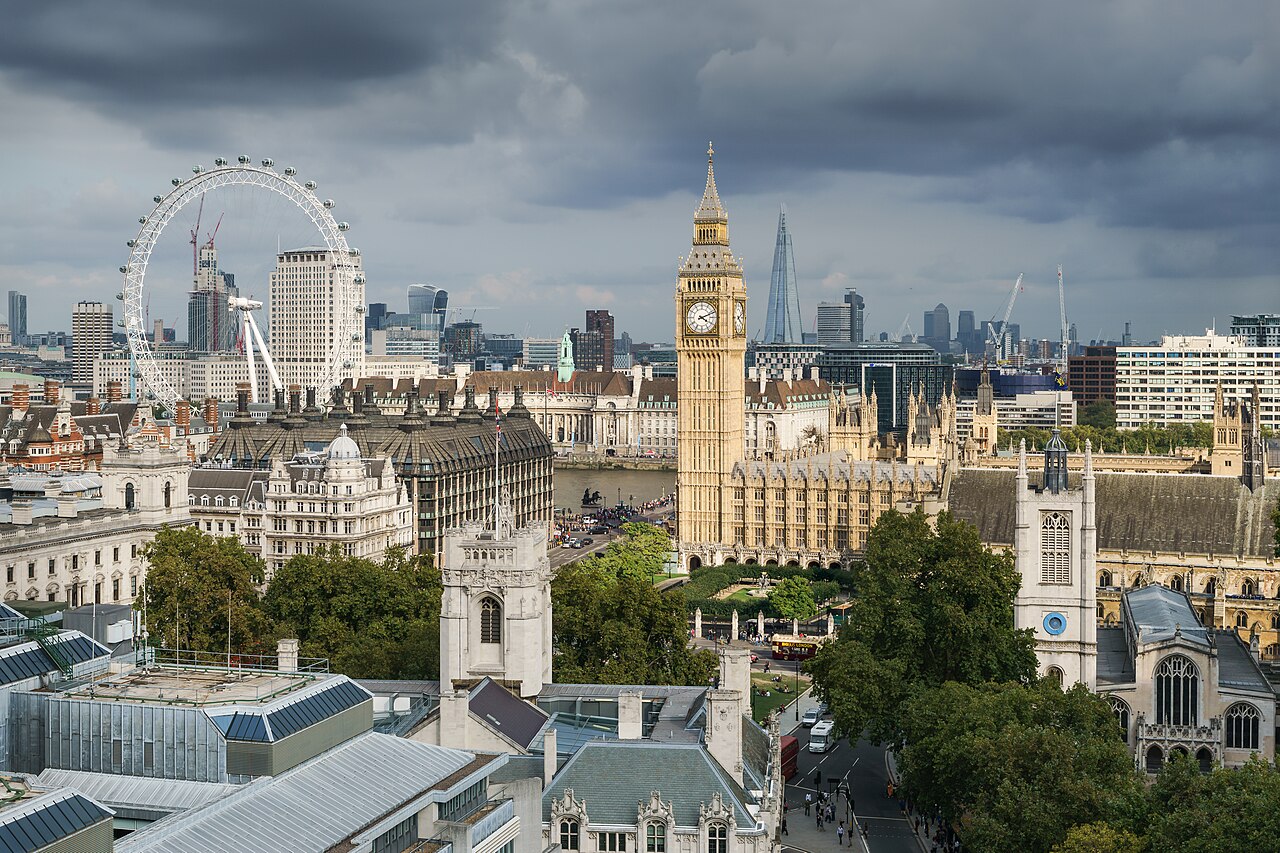
  • Big Ben is not the tower: it is the nickname of the 13.7-tonne Great Bell inside it. The tower itself was called the Clock Tower until 2012, when it was renamed the Elizabeth Tower for the Queen's Diamond Jubilee.
Jubilee and Munin, two of the famous ravens at the Tower of London. Photo: Colin, Wikimedia Commons, CC BY-SA 4.0

Geography facts

For a relatively small country, the UK packs in an impressive amount of geographical weirdness. These are some of my favorite quiz-night ammunition.

  • You are never more than 70 miles from the sea: the Ordnance Survey has identified Church Flatts Farm near Coton in the Elms, Derbyshire, as the point in Great Britain furthest from the coast, at 70 miles (113 km). Everywhere else is closer.
  • Loch Ness holds more water than all the lakes of England and Wales combined: the famous Scottish loch is 230 meters deep at its deepest point, which makes it the largest lake by volume in the British Isles. Monster not included in official measurements.
  • The world's shortest scheduled flight is Scottish: Loganair's hop between the Orkney islands of Westray and Papa Westray covers 1.7 miles and is scheduled at around 90 seconds. The record crossing took 53 seconds. Guinness World Records recognizes it as the shortest scheduled passenger flight on Earth.
  • The UK's highest point is Ben Nevis: the Scottish peak stands 1,345 meters above sea level. Respectable, but you could stack it three times inside Everest and still have room.
  • Sheep outnumber people in Wales almost three to one: in 2024, Wales counted about 8.75 million sheep against 3.1 million humans. The sheep have never once won a pub quiz, though, so the humans keep the bragging rights.

Culture, food, and the pub

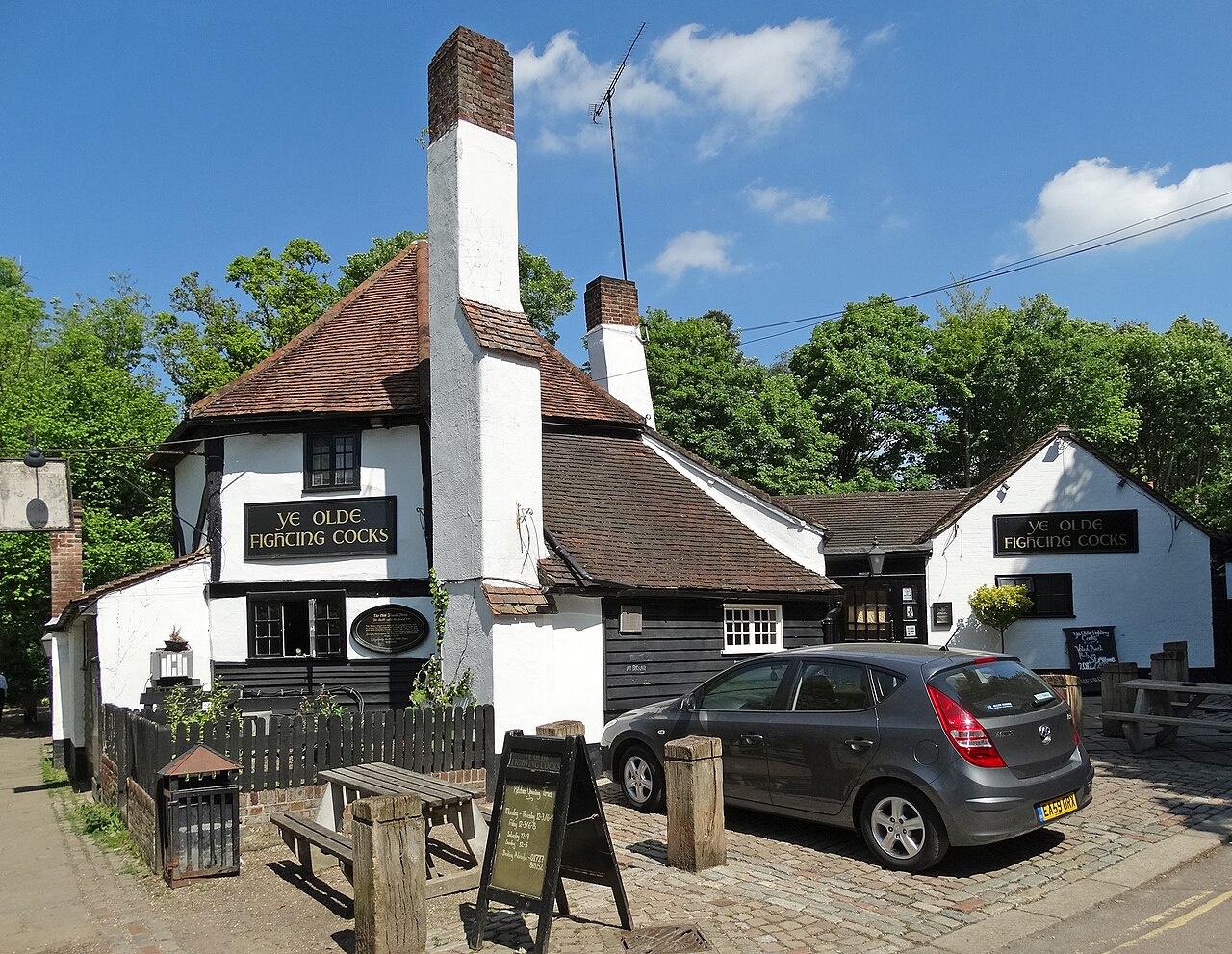
Ye Olde Fighting Cocks in St Albans, one of several pubs claiming to be England's oldest. Photo: Neil Theasby, geograph.org.uk, Wikimedia Commons, CC BY-SA 2.0
  • The pub quiz as we know it was popularized in 1970s Britain: Sharon Burns and Tom Porter organized pub quiz leagues from 1976 and pitched them to breweries as a way to fill pubs on quiet nights. Their weekly events grew from about 30 teams to 10,000. Every trivia night you have ever attended owes them a drink.
  • The UK still has around 45,000 pubs: that is the British Beer and Pub Association's 2024 count. Several of them claim to be the country's oldest, including Ye Olde Fighting Cocks in St Albans, which traces its story back over a thousand years.
  • Brits drink over 100 million cups of tea every day: according to the UK Tea and Infusions Association, tea still narrowly beats coffee, which trails at around 98 million cups. That works out to roughly 36 billion cups of tea a year.
  • A curry was once declared a British national dish: in 2001, Foreign Secretary Robin Cook called chicken tikka masala "a true British national dish", crediting the way Britain absorbs and adapts outside influences. The masala sauce, he noted, was added to satisfy the British desire for gravy.
  • The sandwich is named after an English earl: John Montagu, the 4th Earl of Sandwich, is credited with popularizing meat between slices of bread in the 18th century, reputedly so he could eat without leaving the gaming table.
  • Cheddar cheese comes from an actual place: the village of Cheddar in Somerset, where the cheese was historically matured in the caves of Cheddar Gorge.
  • Shakespeare's works contain the first recorded use of hundreds of English words: popular counts credit him with around 1,700, although scholars keep revising that number downward as older texts surface. Either way, no single writer has left a bigger mark on the language.

Quirky laws that are still on the books

British law has accumulated some wonderful oddities over the centuries, and a surprising number of them are technically still in force. These three are my go-to examples, all verifiable on legislation.gov.uk.

  • It is illegal to be drunk in a pub: the Licensing Act 1872 makes it an offence to be drunk on licensed premises. Yes, in the very building designed for drinking. The law is almost never enforced, but it exists.
  • It is also illegal to be drunk in charge of cattle or a steam engine: the same 1872 Act specifically covers being drunk while in charge of a horse, a cow, a steam engine, or a carriage, or while carrying a loaded firearm. Victorian problems required Victorian solutions.
  • You cannot handle salmon in suspicious circumstances: Section 32 of the Salmon Act 1986 makes it an offence to handle salmon in circumstances where you could reasonably believe the fish was illegally caught. The wording is a gift to quizmasters everywhere.

Turn these facts into quiz questions

Here is the fun part. Every fact above converts naturally into a question. "How long did the shortest war in history last?" "What does Big Ben actually refer to?" "Which animal is it illegal to handle in suspicious circumstances in the UK?" That last one gets a laugh every single time.

If you write a good one, submit it to our community collection so other quizmasters can use it too. And if you would rather grab ready-made questions, we have thousands of free ones at quizquestions.org, including dedicated United Kingdom questions and a big history category.

Tip

When you turn a fact into a question, make the wrong answers plausible. For "How long did the Anglo-Zanzibar War last?", offering 38 minutes, 38 hours, 38 days, and 38 weeks is far more fun than random numbers.

The UK is one of those rare quiz topics that works for any audience: everyone knows something about it, and nobody knows all of it. A country that keeps official ravens, lets its king travel without a passport, and once sent a polar bear fishing in the Thames will never run out of material. Happy quizzing.

Sources

  • Ordnance Survey: The difference between UK, Great Britain and the British Isles
  • Office for National Statistics: UK population estimates, mid-2023
  • Encyclopaedia Britannica: Anglo-Zanzibar War
  • British Museum: A timeline of Stonehenge
  • London Transport Museum: A very short history of the Underground
  • The Postal Museum: The first ever stamp, the Penny Black
  • The Royal Family: Swan Upping
  • Royal Collection Trust: Windsor Castle
  • Historic Royal Palaces: The Ravens of the Tower of London
  • Historic Royal Palaces: The Tower of London Menagerie
  • UK Parliament: Big Ben and Elizabeth Tower, facts and figures
  • Guinness World Records: Shortest scheduled flight
  • Guinness World Records: Queen Elizabeth II, longest-reigning queen
  • UK Tea and Infusions Association: Tea consumption figures
  • British Beer and Pub Association: Pubs and brewers data
  • legislation.gov.uk: Salmon Act 1986
  • legislation.gov.uk: Licensing Act 1872
  • Wikipedia: Pub quiz (Burns and Porter)
The Best Form Builders in 2026 (Free Plans Compared)

The Best Form Builders in 2026 (Free Plans Compared)

I compared the free plans of nine popular form builders in 2026, from forms.app to Typeform, with fresh screenshots and a clear winner for quiz makers and trivia hosts.

10 min read
  • Accessibility Statement
  • © 2026 QuizQuestions.org. All rights reserved.

    Get daily fun quizzes on: